Yamaha Golf Cart Jerking: Transmission & Motor Fixes That Work
If your Yamaha golf cart is jerking, stuttering, or hesitating while driving, you’re dealing with one of four common culprits: worn clutch components (gas models), a failing speed controller (electric models), degraded motor brushes, or belt/transmission issues. The good news? Most jerking problems have straightforward fixes you can tackle at home.
Gas-powered Yamaha carts typically jerk due to clutch slippage or drive belt wear. Electric models usually trace to controller or motor problems. Start by identifying whether the jerking happens during acceleration, at specific speeds, or randomly—this pattern points you to the right repair.
Quick Diagnosis Checklist
- Worn Primary or Secondary Clutch (Gas models) – Jerking during acceleration, especially when cold
- Failing Speed Controller (Electric models) – Random stuttering, error codes, burnt smell
- Degraded Motor Brushes (Electric models) – Hesitation under load, loss of power on hills
- Drive Belt Issues (Gas models) – Jerking at specific speeds, squealing noise
- Low Battery Voltage (Electric models) – Jerking gets worse as charge depletes
- Solenoid Problems (Electric models) – Clicking sounds with jerking motion
- Carburetor Issues (Gas models) – Jerking with engine RPM fluctuations
Is Your Primary Clutch Causing the Jerking? (Gas Models)
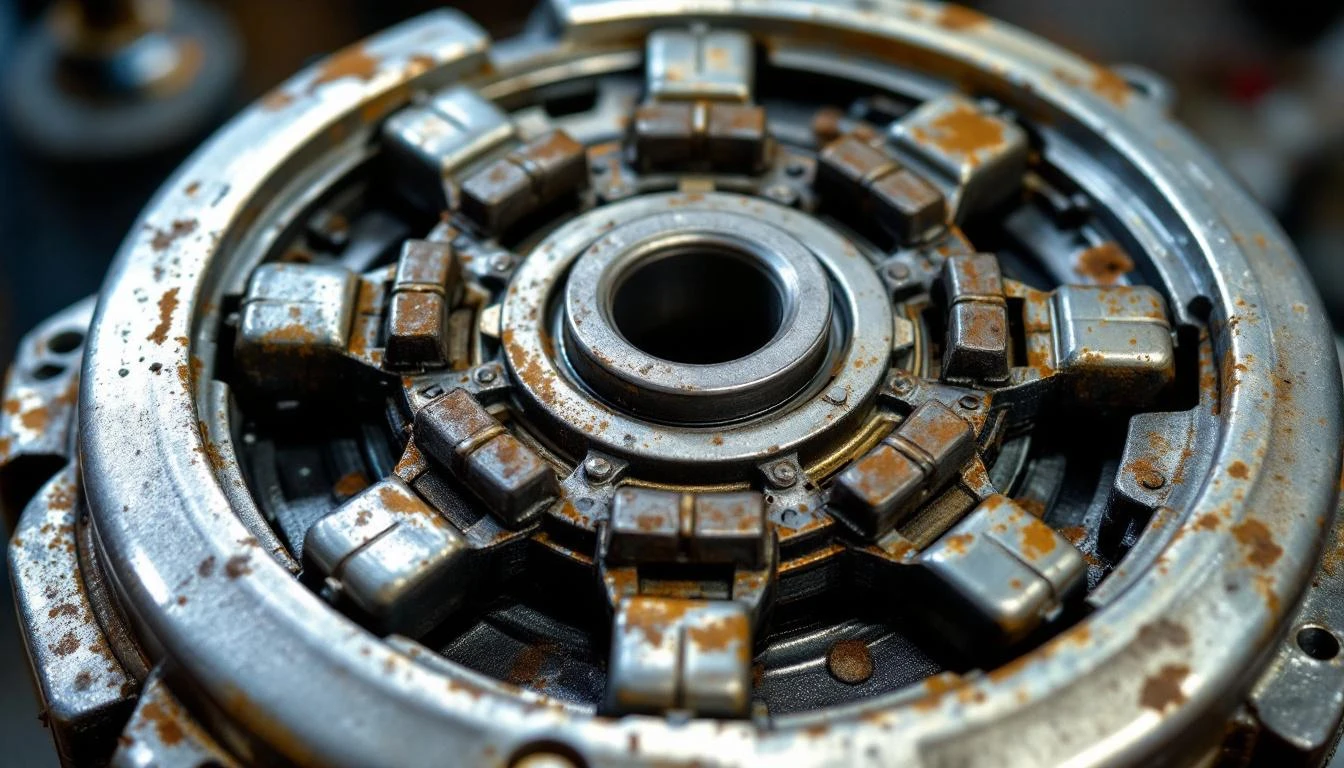
The primary clutch on gas-powered Yamaha carts is the most common jerking culprit. This centrifugal clutch engages as engine RPM increases, and when its springs weaken or weights wear unevenly, you’ll feel pronounced stuttering during initial acceleration.
Symptoms:
- Jerking is worst when starting from a complete stop
- Stuttering during the first 5-10 feet of movement
- Smooths out once you reach cruising speed
- More noticeable when the cart is cold
- May hear rattling from the clutch area
How to Test: With the cart parked and engine off, remove the clutch cover (typically 4-6 bolts). Inspect the primary clutch for:
- Worn or cracked rollers/weights
- Stretched or broken springs
- Scoring or glazing on the clutch face
- Excessive play when you wiggle the clutch by hand
The Fix: Replace worn clutch components or the entire assembly if multiple parts show wear. Yamaha primary clutches typically last 800-1,200 hours before needing replacement. You’ll find quality replacement parts in our Yamaha golf cart parts section.
Installation requires a clutch puller tool. Don’t skip this—attempting removal without proper tools damages the crankshaft.
Difficulty: Moderate | Estimated Time: 1.5-2 hours | Cost: $85-$180 for parts
Safety Note: Always disconnect the spark plug wire before working on gas cart clutches to prevent accidental engine starts.
Could a Faulty Speed Controller Be the Problem? (Electric Models)
Electric Yamaha carts rely on the speed controller to regulate power delivery from batteries to the motor. When controllers fail—often from heat, moisture, or age—they create erratic power delivery that feels like jerking or stuttering while driving.
Symptoms:
- Random stuttering at any speed
- Cart jerks then returns to normal operation
- Loss of top speed accompanied by jerking
- Burnt electronic smell near the controller
- Error codes displayed (if your model has a diagnostic display)
- Controller feels excessively hot to touch
How to Test: Locate your controller (usually under the seat). With the cart off, inspect for:
- Corrosion on wire terminals
- Burnt or discolored components
- Loose or damaged wire connections
- Moisture inside the controller housing
For electrical testing, you’ll need a multimeter. Check that your controller is receiving proper voltage from the battery pack (typically 36V or 48V depending on your model).
If input voltage is correct but output is erratic, the controller has internal failure.
The Fix: Controller repairs aren’t practical for home mechanics—internal components are sealed and require specialized equipment. Replace with a compatible unit from our controller section. Match your voltage (36V vs 48V) and amperage rating exactly.
Yamaha controllers are often cross-compatible with certain Club Car models, so verify fitment for your specific year and model.
Difficulty: Easy to Moderate | Estimated Time: 45 minutes-1 hour | Cost: $200-$450 for quality controller
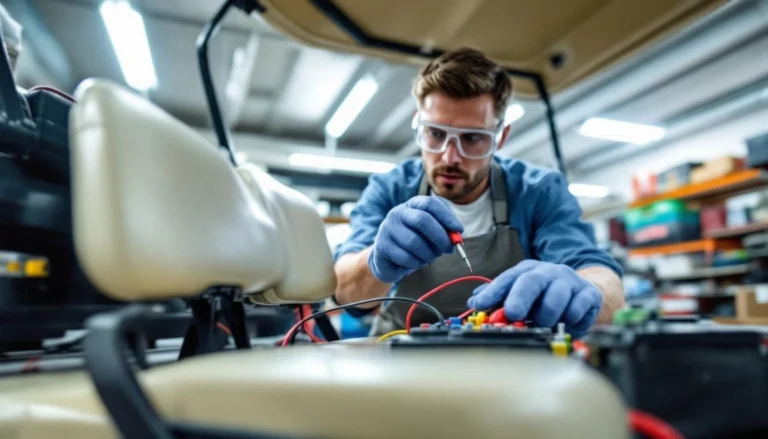
Safety Warning: Even with the cart “off,” batteries remain energized. Disconnect the negative battery cable first, wait 60 seconds for capacitors to discharge, then proceed. Wear insulated gloves and safety glasses.
Are Worn Motor Brushes Causing Hesitation? (Electric Models)
Motor brushes are small carbon blocks that conduct electricity to the spinning armature inside your electric motor. As they wear down (normal wear item), electrical contact becomes inconsistent, causing the motor to hesitate or jerk, especially under load.
Symptoms:
- Jerking gets worse going uphill or with passengers
- Hesitation feels like the motor is “catching”
- Sparking visible through motor ventilation slots
- Loss of power accompanies the jerking
- Motor runs rough or makes grinding sounds
How to Test: Remove the motor brush caps (usually two caps on opposite sides of the motor—refer to your manual for exact location). Pull out the brushes and measure their length:
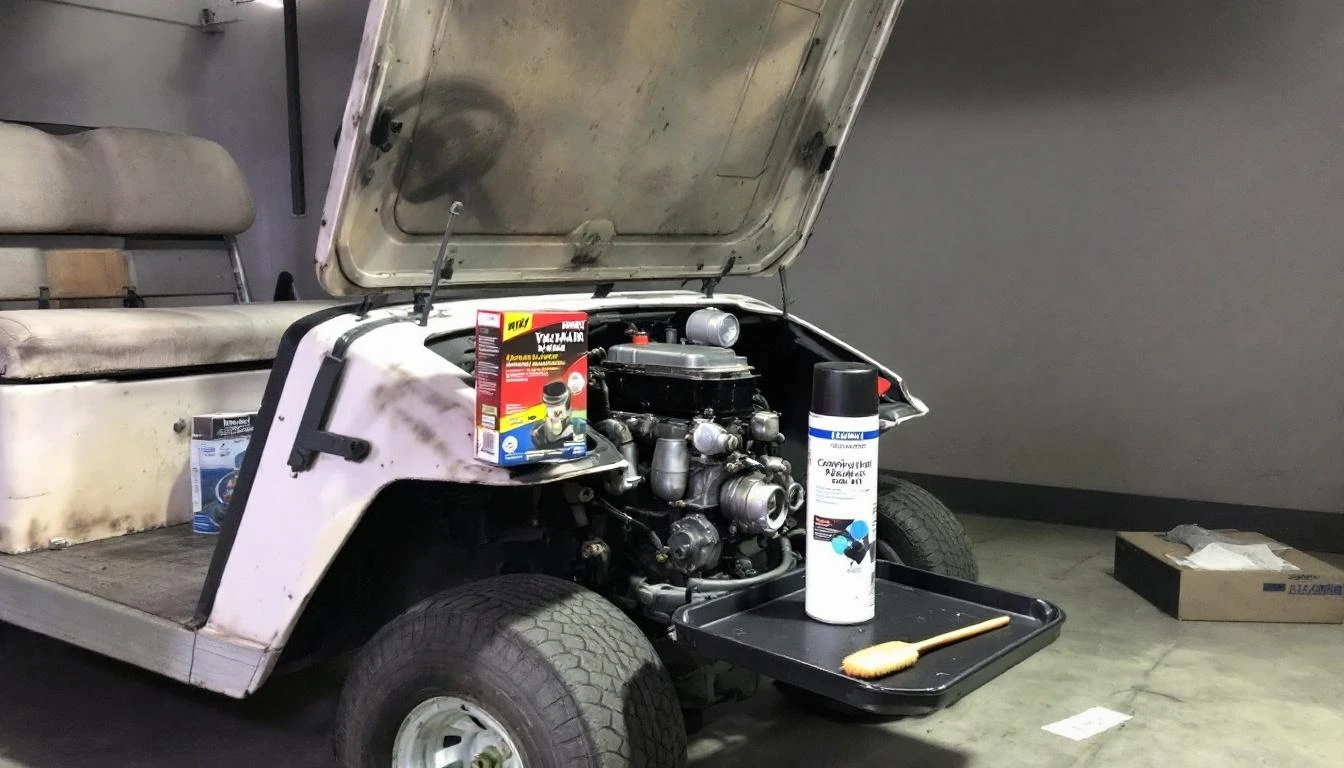
- New brushes: approximately 1″ to 1.25″ long
- Replace when: brushes are 0.5″ or shorter
- Check the springs: they should provide firm tension
- Inspect the commutator (the copper segments the brushes contact): look for scoring, pitting, or dark spots
The Fix: Replace brushes as a set—never just one. Clean the commutator with fine sandpaper (400-grit) if minor scoring exists. Severe commutator damage requires professional motor service or replacement.
Quality replacement brushes are available in our Yamaha parts inventory. After installation, “seat” new brushes by running the cart at low speed for 15-20 minutes to establish proper contact surface.
Difficulty: Easy | Estimated Time: 30-45 minutes | Cost: $15-$35 for brush set
Is Your Drive Belt Slipping? (Gas Models)
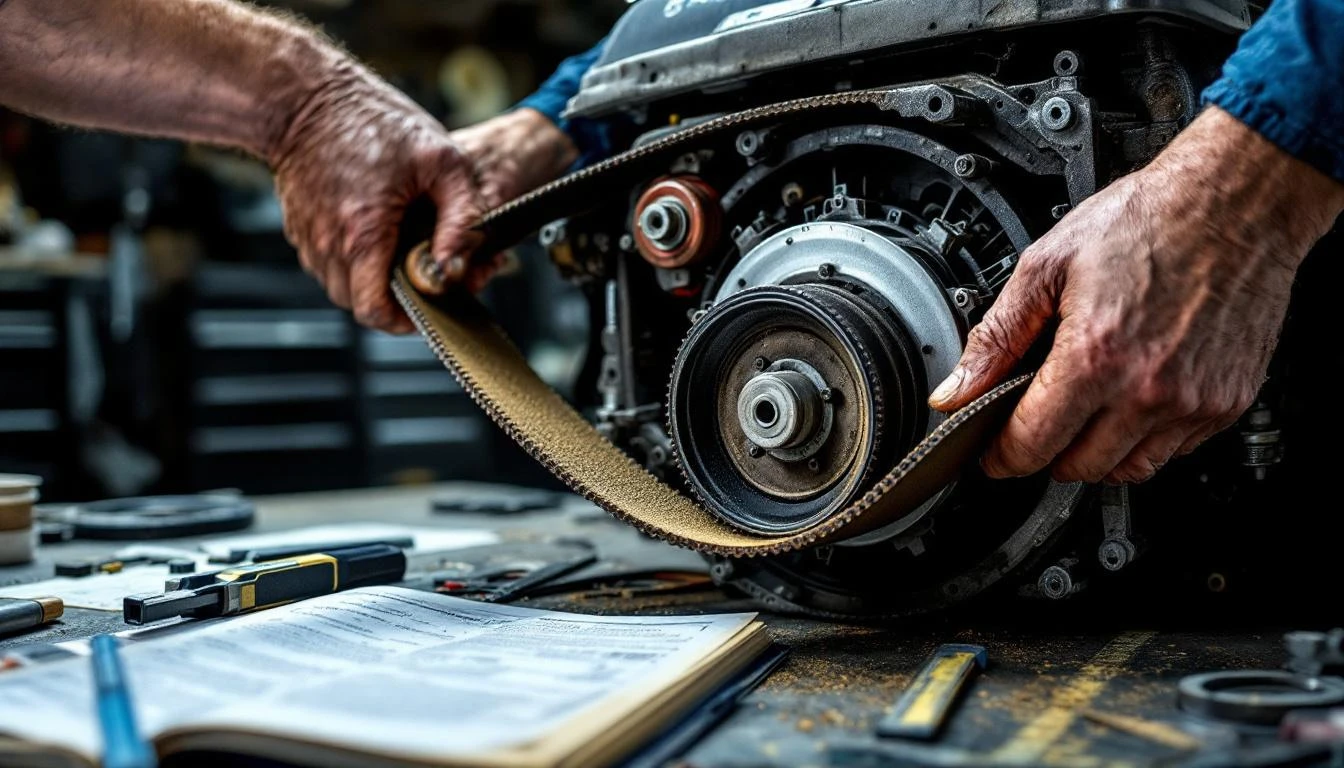
The drive belt transfers power from the primary clutch to the secondary clutch (connected to the rear axle). A worn, glazed, or improperly tensioned belt creates slippage that manifests as jerking, especially when accelerating or climbing hills.
Symptoms:
- Jerking at consistent speeds (like 8-12 mph)
- Squealing noise from the clutch area
- Burning rubber smell after driving
- Loss of top speed
- Visible belt dust/debris under the cart
How to Test: Remove the belt cover and inspect the belt for:
- Cracks, fraying, or chunks missing from edges
- Glazed (shiny, hardened) surface
- Belt sits too high or too low in the clutch sheaves
- Proper tension: belt should deflect about 1/2″ when pressed at its longest span
The Fix: Replace the drive belt if any damage is visible—these aren’t items to “get a few more miles from.” Yamaha uses specific belt profiles, so verify the part number for your model year.
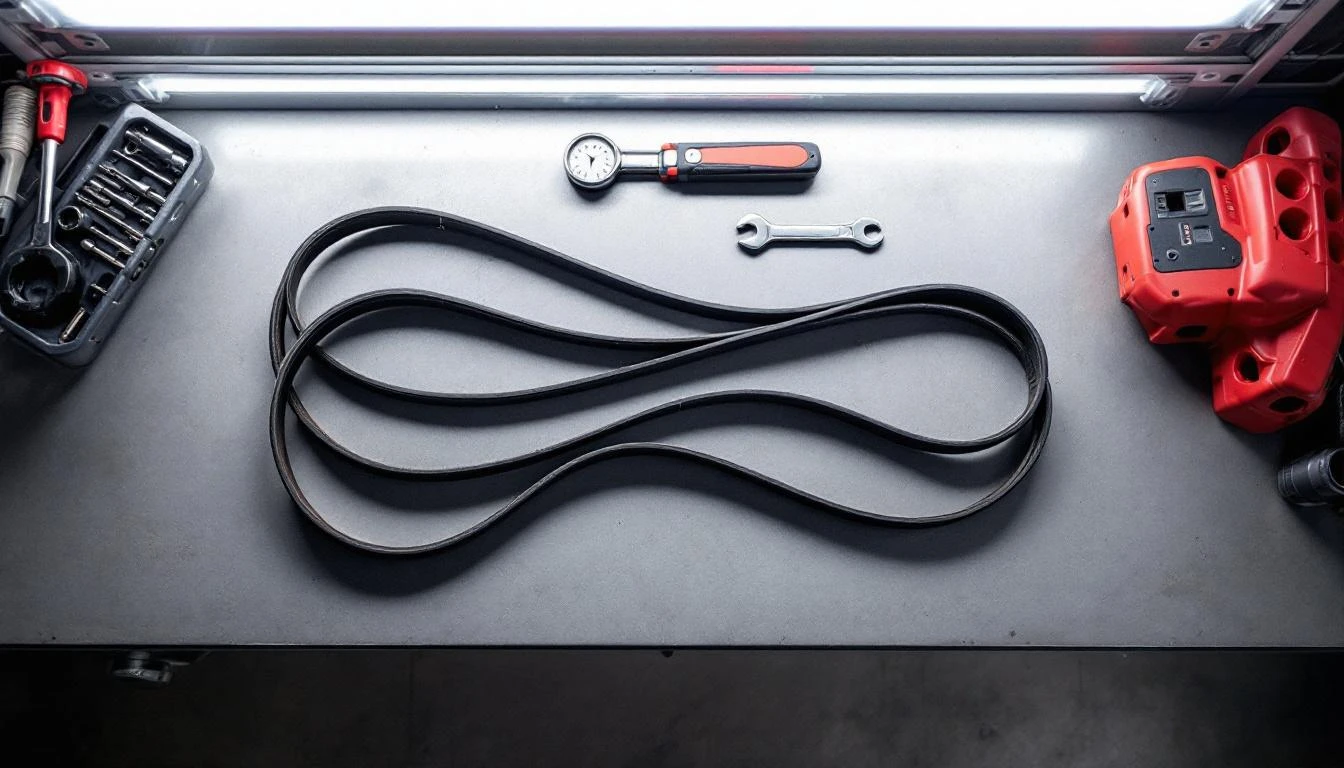
While you’re replacing the belt, inspect both clutches for wear and clean any belt residue from the sheaves. Improper belt tension often indicates worn secondary clutch springs, so check those too.
Find the correct replacement belt and transmission components in our transmission parts section (many Yamaha belts cross-reference with Club Car parts).
Difficulty: Easy to Moderate | Estimated Time: 45 minutes-1 hour | Cost: $35-$65 for quality belt
Could Low Battery Voltage Be the Culprit? (Electric Models)
Even if individual batteries test okay, overall pack voltage can sag under load if batteries are aging. This voltage drop forces the controller to work harder, creating jerking as it cycles power on and off trying to maintain speed.
Symptoms:
- Jerking increases as you drive (gets worse with use)
- Cart runs smoothly when fully charged
- Performance degrades noticeably after 20-30 minutes of use
- Jerking is worst when climbing hills or accelerating
- Dashboard battery gauge shows rapid voltage drop under load
How to Test: Use a multimeter to test:
- Static voltage: Full charge should read 38-39V (36V system) or 50-52V (48V system)
- Under-load voltage: Have someone drive while you monitor—voltage shouldn’t drop below 34V (36V system) or 44V (48V system)
- Individual battery voltage: Each 6V battery should read 6.3-6.4V when fully charged, 5.8V minimum under load
The Fix: If the entire pack voltage sags excessively, replace all batteries as a set. Mixing old and new batteries creates imbalances that damage the new ones. If only one or two batteries test weak, you may have a sulfated battery that can sometimes be recovered with an equalization charge.
But if batteries are more than 4-5 years old, replacement is the economical choice. Check our Yamaha golf cart parts for battery options compatible with your model.
Difficulty: Moderate (heavy lifting) | Estimated Time: 2-3 hours for full set | Cost: $600-$1,200 for complete battery pack
Safety Warning: Lead-acid batteries contain sulfuric acid and produce explosive hydrogen gas during charging. Work in ventilated areas, wear acid-resistant gloves and eye protection, and never smoke or create sparks near batteries.
Are Solenoid Contacts Sticking? (Electric Models)
The main solenoid acts as a heavy-duty switch between your batteries and controller. When internal contacts wear or corrode, they create intermittent connections that cause sudden jerking as power cuts in and out.
Symptoms:
- Single clicking sound when you press the accelerator
- Cart jerks forward then stops, repeatedly
- Jerking accompanied by clicking from under the seat
- Sometimes cart won’t move at all, then suddenly lurches forward
- Solenoid feels hot after operation
How to Test: Locate the solenoid (large relay under the seat with heavy gauge wires). With the cart “on” and someone pressing the accelerator:
- Listen for clicking—one solid click is normal, repeated clicking indicates problems
- Use a multimeter to check voltage across large terminals: should show full battery voltage when activated
- Check for voltage drop: more than 0.5V drop indicates bad contacts
- Inspect wire connections for heat damage (discolored insulation)
The Fix: Solenoid contacts can sometimes be cleaned, but replacement is more reliable for $30-$60. Ensure you purchase the correct voltage rating (36V or 48V) and verify continuous duty rating (400+ amps for golf carts).
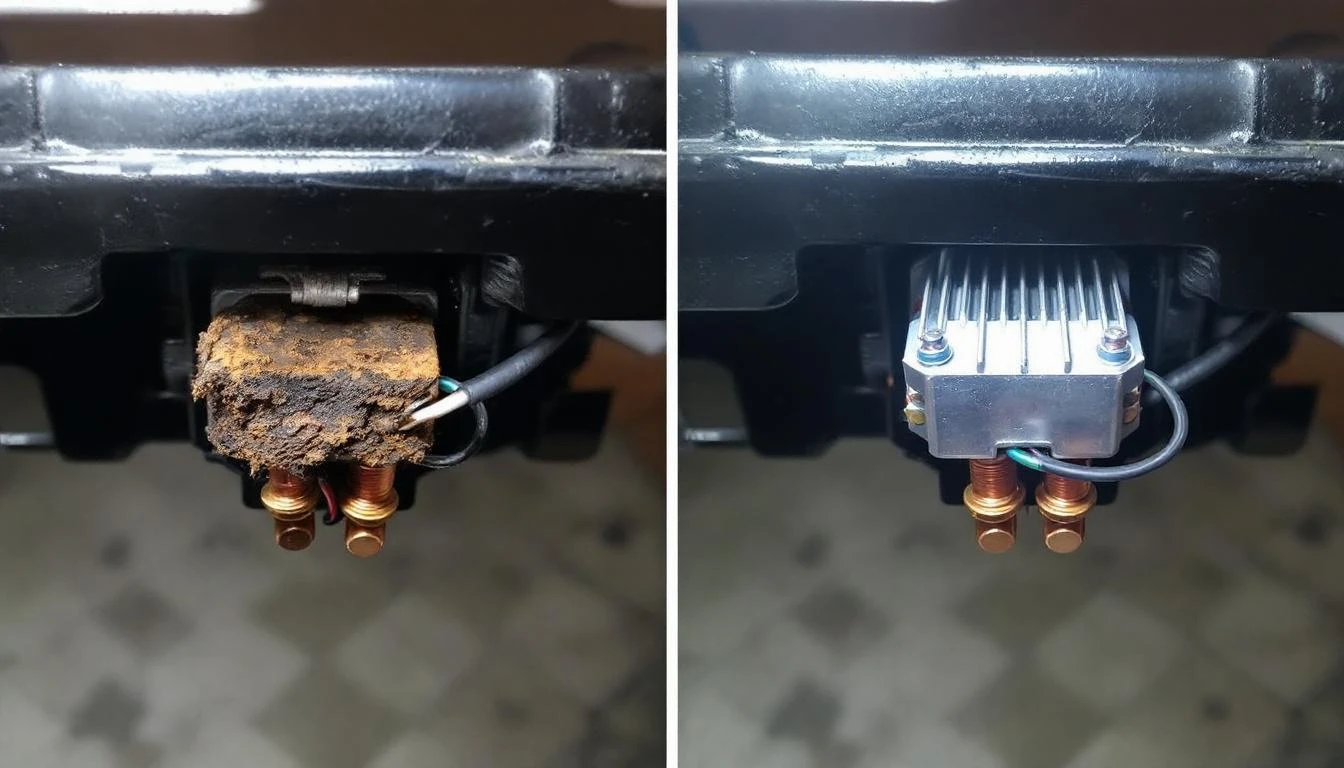
Poor quality solenoids fail quickly—invest in name-brand components from our parts selection.
Difficulty: Easy | Estimated Time: 20-30 minutes | Cost: $30-$75
Could Carburetor Problems Be Creating Jerking? (Gas Models)
While less common than clutch issues, a dirty or misadjusted carburetor can cause engine RPM fluctuations that translate to jerking motion. This is especially true if the cart has sat unused for extended periods.
Symptoms:
- Jerking accompanied by engine RPM surging
- Black smoke from exhaust during jerking episodes
- Cart runs rough at idle
- Jerking worse when cold, improves when warm
- Strong fuel smell
How to Test: While someone drives, listen to engine RPM—if it surges up and down with the jerking, the carburetor is likely the issue. With the cart stationary and running, spray carburetor cleaner around the carburetor gaskets and intake manifold. If engine RPM changes, you have an air leak.
The Fix: Start with a carburetor cleaning—remove the bowl, clean jets with carburetor cleaner and compressed air, inspect the float for proper operation. If cleaning doesn’t resolve the issue, rebuild or replace the carburetor.
Yamaha carburetors are relatively simple; rebuild kits cost $15-$30. For carts that sat with old fuel, replacing the carburetor ($75-$125) is often more time-efficient than thorough cleaning.
Difficulty: Moderate | Estimated Time: 1-2 hours | Cost: $15-$125 depending on repair vs. replacement
When to Call a Professional
Most jerking issues are DIY-friendly with basic tools and patience. But some situations warrant professional help:
- Motor Armature Damage: If your electric motor’s commutator shows deep scoring or the armature has burnt windings, you need a motor rebuild or replacement—specialized work requiring shop equipment.
- Differential or Transaxle Noise: If jerking comes with grinding or clunking from the rear axle area, internal gear damage may exist. Differential rebuilds require specialized tools and expertise.
- Multiple Electrical Failures: If you’ve replaced the controller and motor brushes but still experience jerking, you may have complex wiring faults or frame ground issues requiring diagnostic equipment.
- CVT Transmission Wear (Gas): Advanced clutch problems like worn sheave faces or damaged secondary clutch components sometimes require machining or specialty tools beyond typical home garages.
- Intermittent Problems: If jerking happens randomly with no pattern and basic checks reveal nothing, professional diagnostic equipment can monitor real-time electrical flow and pinpoint elusive faults.
A qualified golf cart technician typically charges $75-$125 per hour. Complex electrical diagnosis might run 2-3 hours; transmission work can take 3-5 hours depending on damage extent.
Prevention Tips to Avoid Future Jerking
Regular maintenance prevents most jerking issues before they start:
For Gas Yamaha Carts:
- Inspect drive belt every 6 months—replace every 2-3 years or 800 hours regardless of appearance
- Clean primary and secondary clutches annually; remove belt dust that causes glazing
- Check clutch springs for tension—replace if they feel weak or show corrosion
- Use fuel stabilizer if storing cart more than 30 days
- Clean or rebuild carburetor annually in humid climates
- Keep air filter clean—restricted airflow causes poor engine performance
For Electric Yamaha Carts:
- Test battery voltage monthly—catch weak batteries before they damage others
- Water batteries every 3-4 weeks (flooded lead-acid types)
- Clean battery terminals every 6 months to prevent voltage drop
- Inspect motor brushes annually—replace when they reach 50% wear
- Keep controller ventilation clear—overheating shortens controller life dramatically
- Perform annual electrical connection inspection—tighten loose terminals, check for corrosion
- Avoid fully depleting batteries—recharge when gauge shows 30-40% remaining
For All Models:
- Operate on level ground when possible—constant hill climbing accelerates wear
- Avoid overloading—excess weight stresses motors, clutches, and transmissions
- Don’t “floor it” from stops—gradual acceleration extends component life
- Store in dry, covered location—moisture causes electrical failures and rust
- Follow manufacturer’s service schedule in your owner’s manual
Keep a simple maintenance log noting when you performed services. This helps you track component age and predict when parts will need replacement. Our Yamaha parts section carries all maintenance items you’ll need to keep your cart running smoothly.
Frequently Asked Questions
Why does my Yamaha golf cart jerk only when going uphill?
Uphill jerking indicates a power delivery problem—either low battery voltage (electric carts) or clutch slippage (gas carts). On electric models, weak batteries can’t maintain voltage under the heavy load of climbing, causing the controller to cut power intermittently. For gas carts, worn clutch springs or glazed clutch faces slip under load. Test battery voltage under load for electric carts, or inspect clutch components for gas models. The increased load of hill climbing reveals marginal components that work fine on level ground.
Can a bad accelerator pedal cause jerking in electric carts?
Yes, absolutely. The accelerator pedal contains a potentiometer (variable resistor) that signals the controller how much power to deliver. When this potentiometer wears, develops dirty contacts, or has loose wiring, it sends erratic signals causing jerking. Test by disconnecting the pedal and measuring resistance with a multimeter while slowly pressing it—resistance should change smoothly without jumps. If you see sudden resistance changes or dead spots, replace the pedal assembly. This is a common issue in carts with 5+ years of use and costs $40-$80 to fix.
How do I know if my Yamaha cart needs a new motor vs. just brushes?
If replacing brushes eliminates the jerking, your motor is fine. Signs you need a complete motor replacement include: armature won’t spin freely by hand when disconnected, commutator has deep grooves (more than 0.020″ deep), windings smell burnt or show discoloration, bearings are rough or noisy, or motor housing is cracked. Motor brushes cost $15-$35 and take 30 minutes to replace; a new motor runs $400-$800 and requires 2-3 hours installation. Always try brushes first unless obvious motor damage exists.
Why does my gas Yamaha cart jerk when cold but run fine when warm?
Cold jerking on gas carts typically indicates clutch spring issues or cold-thickened transmission fluid (if equipped). Clutch springs stiffen when cold, causing engagement points to change until metal warms and expands. This is often normal if mild, but excessive jerking suggests worn or wrong-spec springs. Some Yamaha models use gear oil in the clutch housing—old oil thickens in cold weather and causes drag. Replace clutch springs with OEM-spec parts and change gear oil (80W-90) if your model requires it.
Can I mix battery brands in my electric Yamaha cart?
Don’t mix battery brands, ages, or capacities. Batteries in series (which golf carts use) charge and discharge as a unit. Mixing creates imbalances where stronger batteries overcharge weaker ones and weaker batteries drain stronger ones. This causes premature failure of all batteries and can create the jerking symptoms you’re trying to fix. When replacing batteries, replace the entire pack with identical units from the same manufacturer, purchased at the same time. Yes, it’s expensive ($600-$1,200), but it’s the only approach that works long-term.
How often should I replace the drive belt on my gas Yamaha?
Replace your drive belt every 2-3 years or 800-1,000 operating hours, whichever comes first—even if it looks okay. Belts harden and glaze with age, losing grip even without visible damage. If you use your cart in dusty conditions, sandy areas, or extreme heat, replace annually. Belts are inexpensive ($35-$65), and replacing before failure prevents being stranded. Always carry a spare belt and basic tools if you venture far from home. A worn belt is often the first stage of the jerking problem; catch it early before it damages clutches.
What’s the difference between jerking and shuddering in a golf cart?
Jerking is sudden, distinct power interruptions—the cart lurches or stutters in noticeable pulses. Shuddering is a rapid vibration or trembling, usually indicating mechanical imbalance like a bent axle, out-of-round tire, or wheel bearing wear. If your cart “shakes” continuously while moving, check tires for flat spots, wheels for balance, and bearings for play. If it “jerks” with distinct power pulses, follow the electrical (controller, motor, batteries) or power transmission (clutch, belt) diagnosis paths in this article. The symptom description helps pinpoint the system at fault.
Will a speed upgrade kit cause jerking problems?
Yes, if improperly installed or if the cart’s motor/controller can’t handle the increased demand. Speed upgrade kits that change gear ratios or modify controllers can cause jerking if they push components beyond designed limits. The motor may lack torque for the new gearing, causing stuttering. Controllers may overheat and cut power intermittently. If jerking started immediately after a speed modification, verify the upgrade components are rated for your cart’s voltage and motor specifications. Sometimes returning to stock configuration solves the problem; other times you need to upgrade the motor or controller to match the speed kit requirements.