Flat Tire on Your Golf Cart? Repair vs Replace Guide
Found a flat tire on your golf cart? Here’s the quick answer: If the puncture is smaller than ¼-inch diameter, located in the tread area (not sidewall), and it’s your first repair on that tire, a simple patch or plug will get you rolling for $10-20. But if you see sidewall damage, tread worn below 2/32 inches, multiple previous repairs, dry rot cracks, or the tire is over 5 years old, replacement is your safest bet. Most golf cart tire repairs take 20-30 minutes. Deciding between repair and replacement starts with understanding what caused your flat.
Quick Diagnosis Checklist
- Puncture from nail, screw, or thorn (most common) — small hole in tread area, repairable if under ¼”
- Valve stem leak — tire loses air slowly over days, hissing sound near valve when wet with soapy water
- Bead leak at rim — corrosion or debris prevents proper seal between tire and wheel
- Worn or damaged tread — tire has less than 2/32″ tread depth or shows uneven wear patterns
- Sidewall damage — cuts, bulges, or punctures on the tire’s side wall (always replace, never repair)
- Age-related dry rot — cracks in rubber, typically on carts stored outdoors or unused for extended periods
- Impact damage from curb or pothole — bent rim or internal tire damage causing slow leak
Is It a Simple Puncture I Can Patch?
Symptoms: You’ll notice the tire is completely flat or significantly under-inflated, often with a visible nail, screw, or sharp object embedded in the tread. The puncture is in the center tread area, not near the sidewall edges.
How to Test: Inflate the tire to its recommended PSI—usually 15-25 PSI for golf carts (check your sidewall markings). Mix dish soap with water in a spray bottle and spray the entire tire surface. Look for bubbles forming at the puncture site. If bubbles appear only at one spot in the tread and the object is smaller than a pencil eraser (¼-inch), you’re a good candidate for repair.
How to Fix: For tubeless tires (most modern golf carts), you have two options. A plug kit runs $8-15 and involves removing the object, reaming the hole, and inserting a rubber plug coated with cement—this takes about 10 minutes. A patch requires removing the tire from the rim, buffing the inside surface, and applying a vulcanizing patch for a more permanent repair. For tubed tires (common on older Club Car, EZGO, and Yamaha models), you’ll need to remove the tire and either patch the tube or replace it entirely.
Safety Warning: Never attempt to repair a puncture larger than ¼-inch or any damage to the sidewall. Sidewall repairs can fail catastrophically during operation, causing loss of control.
If you decide repair isn’t worth your time or you need replacement tires anyway, browse our complete selection of golf cart tires and wheels for all major brands and terrain types.

Difficulty: Easy to Moderate
Estimated Time: 15-30 minutes
Tools Needed: Tire plug kit or patch kit, tire pressure gauge, air compressor, pliers (to remove object), soapy water
Could My Valve Stem Be Leaking?
Symptoms: The tire slowly loses pressure over several days or weeks rather than going flat immediately. You don’t see any obvious punctures or damage. The tire may need air every few days to maintain proper pressure.
How to Test: Inflate the tire to proper PSI. Apply soapy water directly to the valve stem while the cap is removed. Watch for tiny bubbles forming around the valve core or at the base where the stem meets the rim. You can also submerge just the valve area in a bucket of water if the cart is accessible. Sometimes the valve core is simply loose—try tightening it with a valve core tool before assuming you need a new stem.
How to Fix: If tightening the valve core doesn’t stop the leak, valve stem replacement is inexpensive ($3-8 per stem) and straightforward. For rubber snap-in valve stems, you’ll need to break the bead and remove the tire from the rim, pull out the old stem, and install the new one from inside. Metal bolt-in valve stems (common on aluminum wheels) can sometimes be replaced without full tire removal. After installation, inflate the tire and retest with soapy water.
Check out our golf cart accessories section for tire maintenance tools including valve stem tools, pressure gauges, and portable air compressors to keep your tires properly inflated.
Difficulty: Moderate
Estimated Time: 30-45 minutes (with tire removal)
Tools Needed: Valve core tool, new valve stem, tire mounting equipment or tire irons, soapy water, air compressor
Is the Tire Leaking at the Bead?
Symptoms: The tire loses air slowly but you can’t find any punctures, and the valve stem tests clean. The leak occurs where the tire meets the rim. This is especially common on steel wheels that have developed surface rust or corrosion.
How to Test: Inflate the tire fully and apply soapy water all around both bead areas (where tire meets rim, on both sides). Rotate the wheel slowly and watch for bubble formation. You might see bubbles emerging from a specific section or all the way around. Corrosion, old tire bead sealant failure, or a bent rim can all cause bead leaks.
How to Fix: Break the tire bead and remove the tire from the wheel. Clean both the wheel’s bead seating area and the tire bead thoroughly with a wire brush to remove rust, old sealant, and debris. Check the rim for bends or damage—if bent, the rim needs replacement. Apply a thin layer of bead sealer to the rim (never use Fix-a-Flat or similar products). Remount the tire, inflate to proper pressure, and retest. If corrosion is severe, consider upgrading to aluminum or steel wheels with better corrosion resistance.
For brand-specific wheel options and fitments, visit our Club Car parts section, or use our site search for EZGO and Yamaha specific wheels and accessories.
Difficulty: Moderate to Difficult
Estimated Time: 45-60 minutes
Tools Needed: Tire irons or tire changing machine, wire brush, bead sealer, cleaning solvent, air compressor, safety glasses
Has My Tire Tread Worn Out?
Symptoms: The tire may hold air fine but you’ve noticed reduced traction, especially on wet grass or hills. The tread pattern looks shallow or completely smooth in spots. You might experience longer stopping distances or the cart sliding more easily.
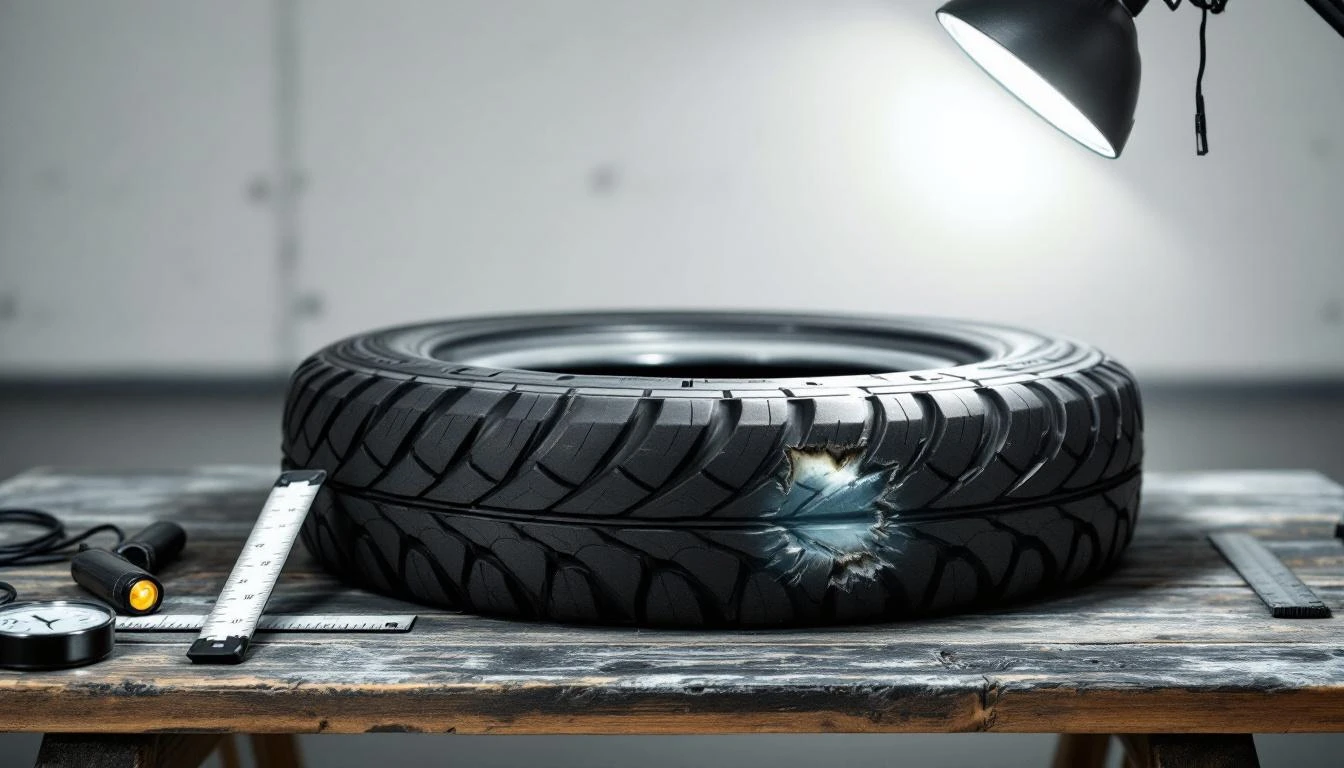
How to Test: Use the penny test: insert a penny into the tread groove with Lincoln’s head upside down. If you can see the top of Lincoln’s head, your tread is below 2/32 inches and the tire should be replaced. For golf carts used on turf, check for uneven wear patterns—worn centers indicate over-inflation, while worn edges suggest under-inflation. Measure tread depth at multiple points across each tire.
When to Replace: Replace tires when tread depth falls below 2/32 inches, when you see uneven wear across the tire surface (indicating alignment issues or improper inflation), or when the wear bars (small raised bars in the tread grooves) become flush with the tread. Bald tires compromise safety and can damage turf on golf courses.
| Tire Type | Typical Lifespan | Cost Per Tire | Best For |
|---|---|---|---|
| Standard Turf | 3-5 years | $35-65 | Golf courses, smooth terrain |
| All-Terrain | 4-6 years | $60-95 | Mixed surfaces, off-road use |
| Street/DOT | 5-7 years | $75-120 | Pavement, LSV applications |
| Low-Profile | 3-5 years | $85-150 | Custom carts, smooth surfaces |
Browse our full selection of replacement tires organized by size, tread pattern, and brand compatibility at our tires and wheels page. We carry options for Club Car, EZGO, Yamaha, and other major manufacturers.
Difficulty: Moderate (tire replacement)
Estimated Time: 60-90 minutes for all four tires
Cost: $140-600 for a complete set of four tires, depending on type
Do I Have Sidewall Damage?
Symptoms: You notice cuts, slices, bulges, or bubbles on the side of the tire (the area between tread and rim). The damage might have occurred from hitting a curb, scraping against a sharp edge, or running over debris. A bulge indicates internal structural damage to the tire’s cords.
How to Test: Visually inspect all sidewall surfaces on both sides of each tire. Run your hand gently over the sidewall feeling for irregularities, cuts, or soft spots. Look for any bulges that protrude beyond the normal sidewall curve. Check for punctures, slices, or embedded objects in the sidewall area.
Why You Must Replace: The sidewall is the structural backbone of your tire. Unlike tread punctures, sidewall damage cannot be safely repaired because this area flexes constantly under load and doesn’t have the thick rubber reinforcement that tread areas have. A repaired sidewall can fail suddenly, causing a blowout that may result in loss of vehicle control.
Safety Warning: NEVER attempt to patch, plug, or repair sidewall damage. Always replace tires with sidewall cuts, punctures, or bulges immediately. Operating a cart with compromised sidewall integrity is dangerous.
Immediate Action Required: Replace the tire before operating the cart. If you must move the cart to a repair area, keep speeds under 5 mph and travel the shortest distance possible. Consider replacing tires in pairs (both front or both rear) to maintain even wear and handling characteristics.
Difficulty: Moderate (tire replacement)
Estimated Time: 30 minutes per tire
Cost: $35-150 per tire depending on type and size
Is My Tire Suffering from Dry Rot?
Symptoms: You see small cracks in the sidewall or tread, often appearing in a spiderweb pattern. The rubber feels hard or brittle rather than flexible. The tire might be discolored or faded, especially if the cart has been stored outdoors or sits unused for months at a time.
How to Test: Examine all tire surfaces in good lighting. Look for cracks—small surface cracks less than 1/16-inch deep might be only cosmetic, but deeper cracks that you can see into or that reveal underlying cords mean the tire has structurally deteriorated. Check the tire’s DOT date code (four digits stamped on the sidewall): the first two digits are the week, the last two are the year of manufacture. Tires over 6-7 years old should be replaced regardless of tread depth.
Why This Happens: UV exposure, ozone, temperature extremes, and time cause rubber compounds to break down. Golf carts stored outdoors in sunny climates or those that sit unused for extended periods are especially vulnerable. Under-inflation accelerates dry rot by causing excessive sidewall flexing.
When to Replace: Replace tires immediately if you see cracks deeper than 1/16-inch, any cracks that reveal fabric or cord beneath the rubber, or if the tire is over 7 years old. Even if tread looks adequate, compromised rubber can fail without warning.
Prevention: Store your cart in a covered area when possible. Maintain proper tire pressure even during storage. Use tire covers for long-term storage. And apply a UV-protectant tire dressing (not oil-based) every few months to slow deterioration.
Difficulty: Moderate (tire replacement)
Estimated Time: 30 minutes per tire
Recommended Action: Replace all four tires if multiple tires show dry rot—they’re all the same age and others will fail soon
Could I Have Impact Damage from a Curb or Pothole?
Symptoms: The tire loses air slowly or goes flat after hitting a curb, pothole, or other obstacle. You might notice a bent wheel rim, a visible dent or flat spot on the tire, or the cart pulling to one side while driving. Sometimes the damage isn’t visible from the outside but has separated internal tire layers.
How to Test: Remove the wheel from the cart and inspect the rim carefully for bends, cracks, or deformation. Roll the wheel on a flat surface—it should roll smoothly without wobbling. For the tire, look for flat spots, uneven bulges, or areas where the sidewall meets the tread at an abnormal angle. Internal separation might only be detectible by feeling for soft spots or seeing uneven wear after driving a short distance.
How to Fix: If the rim is bent, you’ll need a replacement wheel—bent rims cannot maintain proper bead seal and create dangerous handling characteristics. Minor bends might hold air temporarily but will cause premature tire wear and can fail suddenly. If the tire shows external damage, bulging, or has internal separation (you’ll feel unusual soft spots), replacement is mandatory.
For replacement wheels and hub assemblies specific to your cart model, check our tires and wheels section where you’ll find brand-specific options for Club Car, EZGO, and Yamaha models with proper offset and bolt pattern specifications.
Safety Warning: A bent rim can cause sudden tire deflation while driving. If you suspect rim damage after an impact, replace the wheel before operating the cart at normal speeds.
Difficulty: Easy to Moderate (inspection), Moderate (replacement)
Estimated Time: 20 minutes inspection, 45 minutes for wheel and tire replacement
Cost: $40-100 for steel wheels, $80-200 for aluminum wheels, plus tire cost
When to Call a Professional
While many golf cart tire repairs are DIY-friendly, certain situations call for professional help:
- You don’t have tire-changing equipment: Breaking beads and mounting tires without proper tools risks rim damage and personal injury. Most tire shops charge $15-25 per tire for mounting and balancing.
- You have repeated flats on the same tire: Multiple punctures, persistent slow leaks after repair attempts, or mysterious air loss might indicate rim damage, valve issues, or internal tire separation that requires professional diagnosis.
- You need alignment or wheel balancing: If you notice uneven tire wear, the cart pulls to one side, or you feel vibration at certain speeds, you may have alignment issues or bent components that require specialized equipment to diagnose and repair.
- Your cart uses foam-filled tires: Foam-filled or solid tires require specialized equipment and techniques for installation and cannot be serviced with standard tools.
- You’re uncomfortable with the repair: If you’re uncertain about any repair, especially those involving safety-critical components like sidewall damage assessment, consult a professional. Golf cart dealers and many automotive tire shops service golf cart tires.
- You need multiple tire replacements: Replacing all four tires ensures even handling and wear. A shop can mount, balance, and test all four tires more efficiently than most DIY setups allow.
Professional golf cart tire service typically costs $25-50 per tire for dismount, mount, and balance. Many shops offer package deals for four-tire replacements that include disposal of old tires.
Prevention Tips: Keep Your Golf Cart Tires in Top Shape
An ounce of prevention saves hours of repair time and keeps you safely on the course or trail. Follow these best practices:
Maintain Proper Tire Pressure
Check tire pressure monthly using an accurate gauge. Most golf cart tires require 15-25 PSI—check your sidewall markings for exact specifications. Under-inflated tires wear faster, reduce battery range on electric carts, and increase the risk of bead leaks and impact damage. Over-inflation creates a harsh ride and makes tires more susceptible to punctures.
Inspect Tires Regularly
Walk around your cart before each use. Look for embedded objects, cuts, unusual wear, or low pressure. Monthly detailed inspections should include checking tread depth, examining sidewalls for cracks or bulges, and verifying valve stems aren’t leaking. Catching problems early prevents roadside breakdowns.
Rotate Tires Every 6 Months
Golf carts carry more weight in the rear (especially with passengers), causing rear tires to wear faster. Rotating tires front-to-back every 6 months or 500 miles equalizes wear and extends tire life. This is especially important for two-wheel-drive carts where drive wheels see significantly more wear.
Store Your Cart Properly
If storing your cart for more than a month, keep it in a covered area away from direct sunlight. Inflate tires to maximum recommended pressure to prevent flat-spotting. If possible, elevate the cart on jack stands to remove weight from tires during extended storage. Apply tire covers for long-term storage to protect against UV damage.
Watch Your Terrain
Avoid sharp debris, broken glass, and thorny vegetation when possible. Take curbs slowly and at an angle rather than straight-on. Reduce speed over rough terrain and potholes. Using appropriate tires for your typical terrain—turf tires for courses, all-terrain for trails—reduces puncture risk and improves performance.
Clean Wheels and Tires
Dirt and corrosive materials (salt, fertilizer, certain chemicals) can damage wheel finishes and accelerate tire deterioration. Rinse wheels and tires with water after exposure to harsh conditions. This is especially important for carts used on golf courses where fertilizers and pesticides are applied.
Keep a Tire Repair Kit Onboard
Stock your cart with a basic emergency kit: tire plug kit, portable air compressor, tire pressure gauge, and basic tools. Being prepared for a trailside flat saves the hassle of towing or walking back. These items fit easily in a small storage compartment or under-seat area.
Shop our golf cart accessories section for tire maintenance essentials including pressure gauges, portable compressors, and emergency repair kits designed for golf cart use.
Frequently Asked Questions
Can I repair a golf cart tire myself or do I need a shop?
You can definitely repair small tread punctures yourself with a $10-15 plug kit and basic tools. The process takes about 15-20 minutes and works great for punctures under ¼-inch in diameter. But if you need to remove the tire from the rim (for patches, valve stem replacement, or bead leak repair), you’ll need tire irons or a tire machine plus some mechanical skill. Many DIYers handle their own plug repairs but leave tire removal jobs to shops that charge $15-25 per tire for service.
How much does it cost to replace all four golf cart tires?
A complete set of four golf cart tires ranges from $140 to $600 depending on tire type and size. Standard turf tires run $35-65 each ($140-260 per set), all-terrain tires cost $60-95 each ($240-380 per set), and specialty tires like low-profile or DOT-rated street tires range from $75-150 each ($300-600 per set). Add another $60-100 if you’re paying a shop for mounting and balancing. Buying a complete set often saves money compared to single tire purchases.
When should I replace golf cart tires instead of repairing them?
Replace rather than repair when you see: any sidewall damage (cuts, punctures, or bulges), tread depth below 2/32 inches, dry rot cracks deeper than 1/16-inch, tires over 6-7 years old regardless of appearance, multiple previous repairs on the same tire, or punctures larger than ¼-inch diameter. Also replace if the tire won’t hold air after repair attempts or if you’ve hit a major pothole that may have caused internal damage. Safety always trumps the cost savings of repair.
What’s the difference between patching and plugging a golf cart tire?
A plug is inserted from the outside of the tire through the puncture hole and takes 10-15 minutes without removing the tire from the rim—it’s the quick roadside fix. A patch is applied to the inside of the tire after removal from the rim and provides a more permanent repair by covering a larger area and bonding to the inner liner. Combination patch-plugs offer the best of both worlds. For golf cart use at lower speeds, quality plugs work fine for most tread punctures, but patches are preferred for larger holes or when maximum reliability is needed.
Can I use car tires on my golf cart?
No, you should never use automotive tires on a golf cart. Golf cart tires are designed for lower speeds (typically under 25 mph), lighter vehicle weight, and different load characteristics than car tires. Golf cart tires have different construction, compounds, and load ratings. Using car tires can cause handling problems, damage to wheel bearings and suspension, and safety issues. Always use tires rated for golf cart, ATV, or utility vehicle use that match your cart’s wheel size and load requirements.
How often should I check my golf cart tire pressure?
Check tire pressure at least once a month and before any extended trips or periods of heavy use. Tires naturally lose 1-2 PSI per month through normal permeation, and temperature changes affect pressure (tires lose about 1 PSI for every 10°F temperature drop). Always check pressure when tires are cold—before driving or at least 3 hours after use. Proper pressure (typically 15-25 PSI for golf carts) maximizes tire life, ensures safe handling, and on electric carts, helps maintain battery range.
Why does my golf cart tire keep going flat with no visible puncture?
If you can’t find a visible puncture but your tire keeps losing air, the most likely causes are: a leaking valve stem or loose valve core (test with soapy water), a bead leak where the tire meets the rim (common with corroded steel wheels), a very slow puncture from a tiny object like a wire or thorn, or porosity in the wheel itself (rare but possible with older wheels). Start by testing the valve stem with soapy water, then check the bead area all around the rim. If those test clean, you may have internal tire damage or wheel porosity requiring professional diagnosis.
Do golf cart tires need to be balanced?
For most golf carts operating at lower speeds (under 20 mph), balancing isn’t strictly necessary, though it does provide a smoother ride. But if you’ve upgraded to a high-speed cart capable of 25+ mph, or if you notice vibration at certain speeds, balancing becomes more important for comfort and even tire wear. Street-legal LSV (Low-Speed Vehicle) golf carts should have balanced tires just like cars. Most tire shops can balance golf cart tires for $10-15 per tire using the same equipment as automotive tires.